


What Is Customer Loyalty in Retail? 8 Strategies to Retain More Customers
Learn how retailers can build lasting customer relationships, encourage repeat purchases and create consistent experiences across stores and digital channels.
Turn every shopping experience into a reason to return
Connect customer understanding, meaningful rewards and seamless retail experiences.
Every retailer welcomes a new customer. But sustainable retail growth is often built on the people who return-the shoppers who choose your store for their next visit, their next purchase and their next recommendation. That repeat relationship is the foundation of customer loyalty.
Customer loyalty does not happen because of a discount alone. It grows when shoppers trust a retailer, receive consistent service, find the products they need and feel that their relationship with the brand is valued. In this guide, we explain what customer loyalty means in retail, why it matters and eight practical ways to strengthen it.
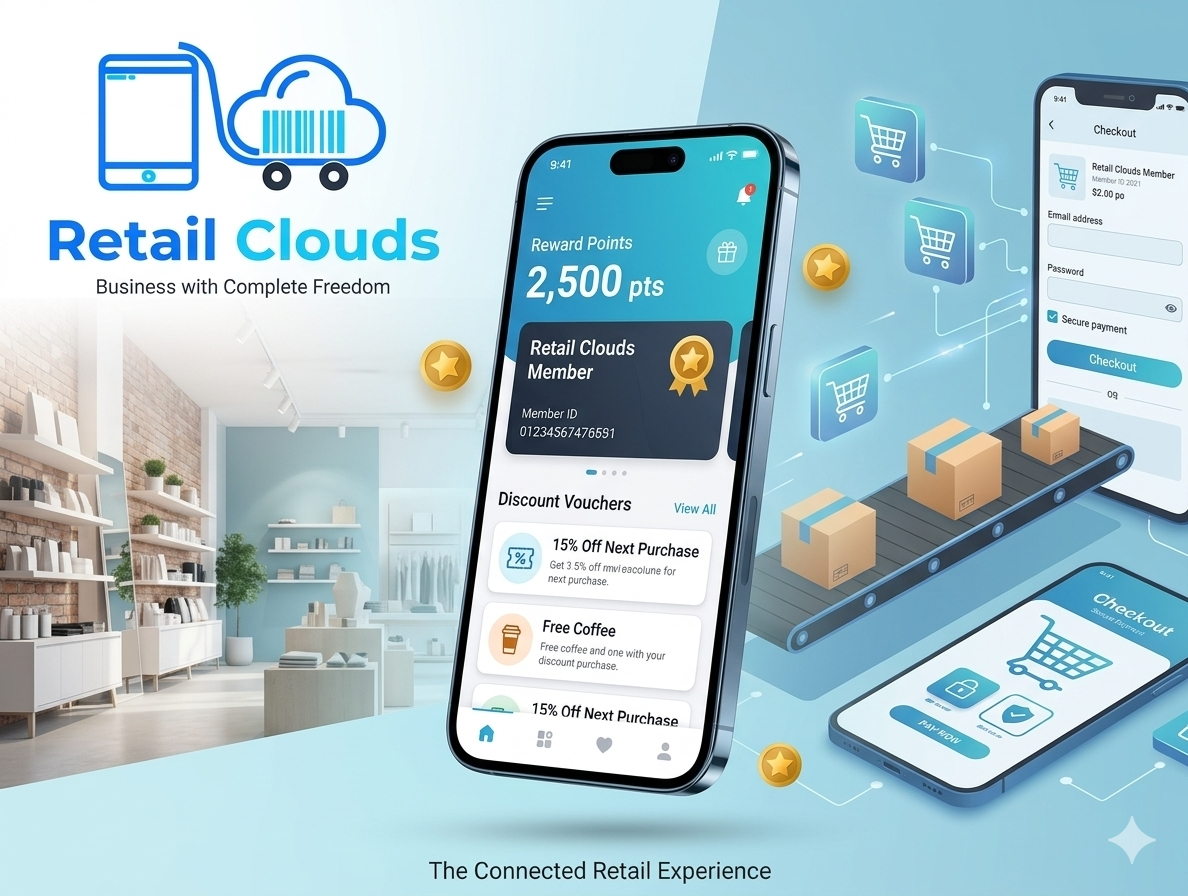
1. What Is Customer Loyalty in Retail?
Customer loyalty in retail is a shopper’s ongoing preference for a particular retailer, demonstrated through repeat purchases, continued engagement and positive recommendations. It goes beyond a single successful transaction. A loyal customer trusts the brand, values the shopping experience and has a reason to return-even when competing retailers offer alternatives.
Retailers can build loyalty by consistently delivering across three connected areas:
- Customer experience: Make every interaction helpful and convenient, from product discovery and checkout to delivery, returns and after-sales service. An omnichannel approach helps maintain this experience across physical and digital channels.
- Brand and product quality: Deliver products and service customers can rely on. Trust, positive experiences and a clear brand promise encourage shoppers to recommend the business to others.
- Promotions and rewards: Recognize repeat purchases with relevant offers, points, memberships or other benefits. Rewards should be easy to understand and genuinely useful.
2. Why Does Customer Loyalty Matter in Retail?
Customer retention is more than a marketing objective. It can influence revenue quality, operating efficiency and long-term profitability. A strong base of returning customers can help retailers:
- Reduce dependence on acquisition: Retaining an existing customer can be more cost-effective than repeatedly investing in advertising and promotions to attract new shoppers.
- Encourage more frequent purchases: Customers who trust a retailer may visit more often, explore additional product categories and respond to relevant recommendations.
- Generate word-of-mouth referrals: Satisfied customers can become advocates who recommend the store to friends, family and colleagues.
- Build more predictable demand: Repeat purchase patterns can help retailers understand customer needs and plan inventory and campaigns more effectively.
- Gather useful feedback: Engaged customers can provide valuable input on products, service, pricing and the overall shopping experience.
Retention improvements can have a compounding effect over time. When customers return more often and remain engaged, retailers have more opportunities to serve them well and build lasting relationships.
3. Eight Strategies to Retain More Retail Customers
1. Build a Rewarding Customer Loyalty Program
A well-designed loyalty program gives shoppers a clear reason to come back. Depending on the business model, retailers can offer points for purchases, tier-based memberships, cashback, discount coupons, gift vouchers, referral benefits or birthday rewards.
Keep the rules simple. Customers should understand how to earn rewards, when they can redeem them and what benefits they receive. Refresh campaigns periodically and make rewards relevant to different customer groups instead of relying on the same offer for everyone.
2. Personalize the Shopping Experience
Customers appreciate recommendations and offers that reflect their interests. With appropriate use of purchase history and customer preferences, retailers can suggest relevant products, share targeted promotions and recognize returning shoppers.
Personalization should be useful rather than intrusive. Be transparent about data use, respect customer preferences and give shoppers control over marketing communications.
3. Deliver Excellent Customer Service
A helpful interaction can strengthen trust; a poor one can weaken it. Equip store teams with product knowledge and the authority to resolve common issues. Make returns, exchanges, order updates and complaint handling clear and convenient.
Customers often remember how a retailer handled a problem. Responsive service across stores, phone, email and digital channels can turn a difficult moment into an opportunity to rebuild confidence.
4. Create a Seamless Omnichannel Experience
Shoppers may browse on a mobile device, visit a store, place an online order and contact customer service through another channel. They expect the experience to feel connected.
Where the business supports it, connect product information, pricing, inventory visibility, order status and loyalty benefits across channels. Services such as buy online, pick up in store, cross-channel returns and shared rewards can reduce friction and make shopping more convenient.
5. Use Customer Data Wisely
Retail POS and commerce systems can help retailers understand what customers buy, how often they visit and which categories they prefer. Use these insights to create meaningful customer segments, identify changes in purchase activity and plan relevant campaigns.
For example, a retailer may distinguish frequent shoppers from occasional shoppers or identify members whose visits have declined. The next step should be a useful, timely interaction-not simply sending more discounts. Protect customer information and follow applicable privacy requirements.
6. Communicate Consistently and Relevantly
Email, SMS, WhatsApp and app notifications can keep customers informed about new arrivals, order updates, member benefits and relevant promotions. The quality of each message matters more than the number of messages sent.
Use customer preferences and campaign performance to guide timing and content. Avoid repetitive generic messages, respect consent and make it easy for customers to manage their communication preferences.
7. Offer Exclusive Benefits and Early Access
Make loyal customers feel recognized. Depending on the retailer, benefits could include early access to new collections, members-only products, priority services, special event invitations or exclusive bundles.
These benefits create value beyond a price reduction. They can help customers feel connected to the brand and give them another reason to remain engaged.
8. Ask for Feedback-and Act on It
Short surveys, review requests and post-purchase follow-ups show customers that their opinions matter. Ask focused questions about product availability, checkout, delivery and service rather than overwhelming shoppers with long surveys.
Most importantly, review the feedback and act on recurring issues. When a customer suggestion leads to a change, communicate that improvement. Closing the feedback loop helps build trust.
4. How to Measure Customer Loyalty
Retailers need consistent measures to understand whether loyalty initiatives are working. Start with a small set of metrics and review them over a defined period:
Interpret metrics together. For example, a growing membership base does not necessarily mean customers are more loyal if repeat purchases and reward engagement remain low. Compare performance by store, customer segment, channel and campaign where reliable data is available.
5. Common Customer Loyalty Mistakes to Avoid
- Making rewards complicated: If earning or redeeming benefits is difficult, customers may stop engaging with the program.
- Depending only on discounts: Frequent price cuts can train shoppers to wait for promotions instead of valuing the wider experience.
- Ignoring channel gaps: Inconsistent prices, stock information or reward rules across stores and online channels can damage trust.
- Collecting data without using it: Customer information is valuable only when it supports relevant decisions and better experiences.
- Treating every customer identically: Different shoppers have different needs, purchase patterns and levels of engagement.
- Sending too many messages: Irrelevant or excessive communication can lead customers to opt out.
6. How Retail Technology Supports Customer Loyalty
Building loyalty consistently across multiple stores and digital channels can be difficult when customer, transaction and campaign information sits in disconnected systems. Retail technology can help bring these activities together.
An integrated retail platform can connect POS transactions, customer profiles, purchase history, loyalty programs, promotions and eCommerce activity. This gives retailers a more connected view of customer interactions and helps them manage rewards and engagement across channels.
Retail Clouds omnichannel customer loyalty solution supports loyalty cards, discount coupons, gift vouchers, memberships, customer-specific promotions and campaigns. It is designed to connect customer engagement with retail operations and shopping channels.
Retailers can also explore the broader Retail Clouds omnichannel retail platform, which brings together POS, inventory, eCommerce, customer engagement and analytics capabilities.
Build stronger customer relationships with Retail Clouds
Explore how connected customer data, loyalty programs and omnichannel retail operations can support more relevant customer experiences.
Explore Customer Loyalty7. Frequently Asked Questions
What is customer loyalty in retail?
Customer loyalty is a shopper's ongoing preference for a retailer, shown through repeat purchases, continued engagement, positive feedback and recommendations.
What is the best way to improve customer retention in retail?
There is no single solution for every retailer. A simple loyalty program, relevant personalization, reliable customer service and a consistent omnichannel experience provide a strong starting point.
How can small retailers build customer loyalty?
Small retailers can build loyalty through personal service, easy-to-understand rewards, dependable product quality and regular communication. Even basic POS reports can help identify repeat customers and understand purchasing patterns.
How often should retailers communicate with loyal customers?
Communicate when there is something relevant to share, such as an order update, a useful offer or a member benefit. Respect customer preferences and prioritize relevance over frequency.
Which metrics should retailers use to track loyalty?
Common measures include customer retention rate, repeat purchase rate, customer lifetime value, churn rate, Net Promoter Score and loyalty reward redemption.
Conclusion: Make Every Customer Interaction Count
Customer loyalty is built through a series of consistent experiences: a smooth checkout, helpful service, products customers can trust, rewards that feel worthwhile and communication that arrives at the right time. When retailers deliver these experiences across stores and digital channels, they give shoppers more reasons to return.
Start with a few practical improvements. Make rewards easier to use, review customer feedback and use purchase insights to make engagement more relevant. Measure the results, learn from customer behavior and keep improving. Over time, stronger customer relationships can become an important driver of sustainable retail growth.